Choosing between quartz or quartzite can feel confusing when both materials look beautiful in a kitchen showroom. Their names sound almost the same, and some slabs even have similar colors and patterns. However, these countertop materials have important differences that affect their price, durability, appearance, and maintenance.
Quartz is an engineered surface made with quartz minerals, resins, pigments, and other ingredients. Quartzite, on the other hand, is a natural stone that forms when sandstone changes under intense heat and pressure over time.
Both materials can work well in kitchens, bathrooms, and other areas of the home. The right option depends on how you use your space and what matters most to you. In this guide, you’ll learn how quartz and quartzite compare, how much they may cost, which material handles heat better, and how to choose the right countertop for your home.
What Does “Quartz or Quartzite” Mean?
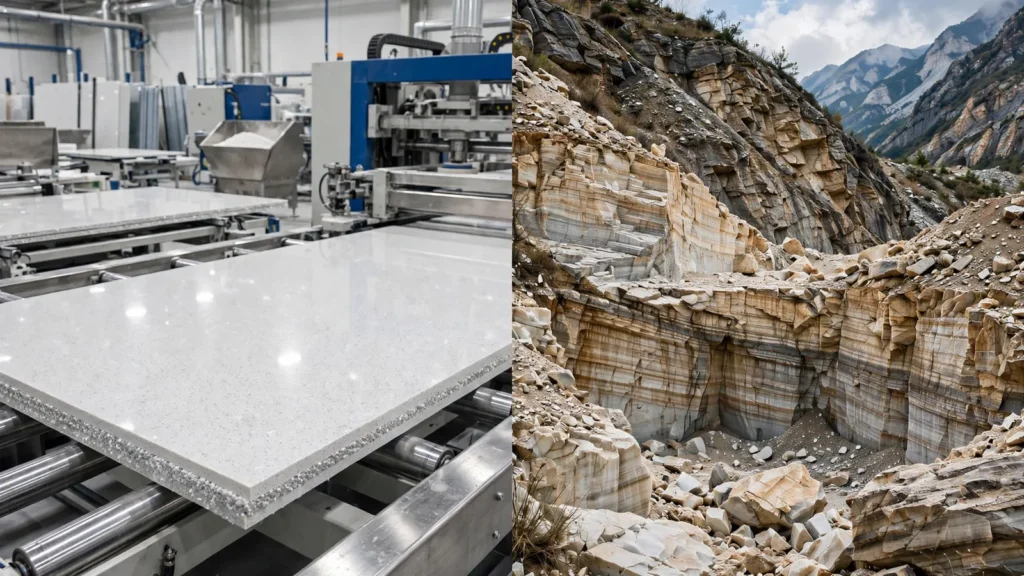
The phrase “quartz or quartzite” refers to a choice between two countertop materials that share a similar mineral name but have different origins.
Quartz countertops are manufactured by combining quartz crystals with resins, pigments, and other materials. Manufacturers control much of the production process, which allows them to create consistent colors, smooth finishes, and designs that resemble natural stone.
Quartzite countertops come from natural stone. Heat and pressure transform sandstone into quartzite over millions of years, creating a hard rock with natural veins, patterns, and color variations.
Homeowners commonly compare these materials when remodeling kitchens, updating bathrooms, or choosing surfaces for islands and vanities.
Although both can look luxurious, neither is automatically the better choice for every home. Understanding their strengths and limitations can help you make a decision that fits your lifestyle.
Why Compare Quartz and Quartzite?
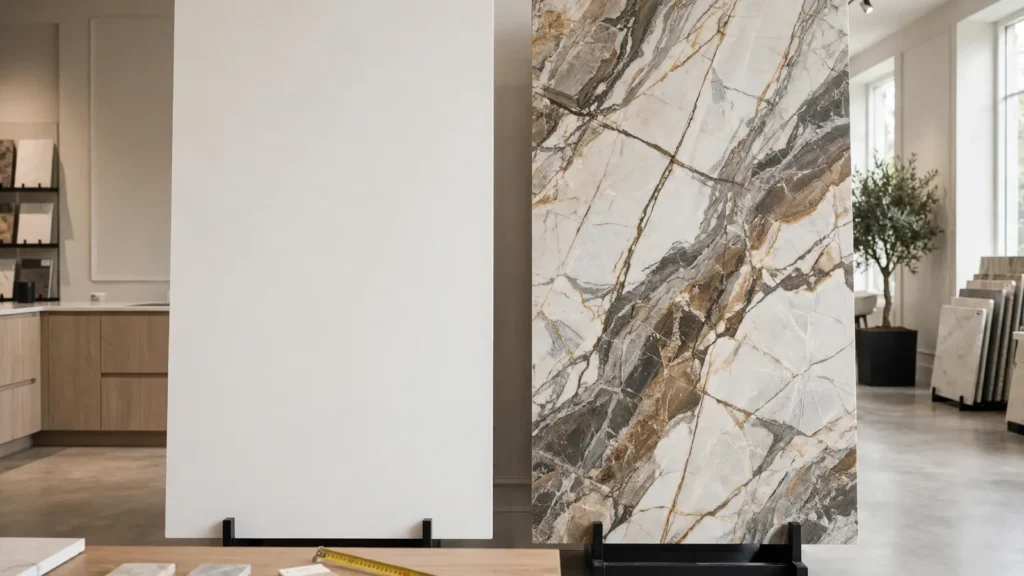
Comparing these materials before purchasing can help you avoid expensive mistakes. A countertop should look attractive, but it also needs to handle your daily activities.
Here are the main reasons to compare quartz and quartzite:
- Avoid unnecessary costs: Installation, fabrication, and maintenance can affect the total price.
- Choose the right appearance: Quartz offers controlled designs, while quartzite features natural variations.
- Understand durability: Both materials are durable, but they respond differently to heat, scratches, and impacts.
- Plan for maintenance: Quartz generally needs less routine care, while quartzite usually requires periodic sealing.
- Match your lifestyle: Frequent cooking, heavy use, and cleaning habits can influence your decision.
Considering these factors together gives you a better idea of which surface will work best in your home.
10 Best Ways to Compare Quartz and Quartzite
The following 10 comparisons explain the most important differences between these countertop materials.
1. Natural vs. Engineered Material
Meaning
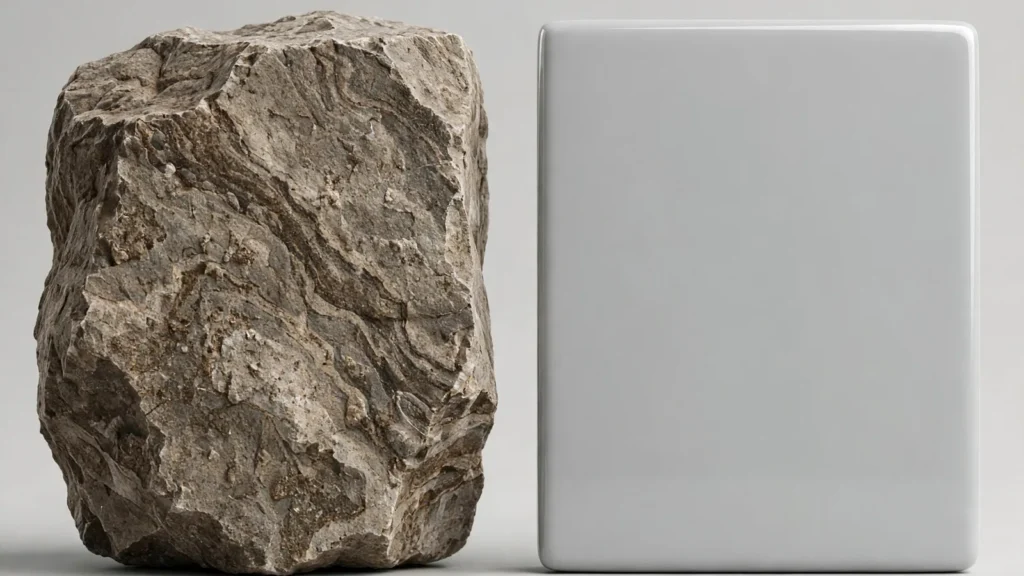
Quartzite is a natural stone formed by geological processes. Each slab develops its own markings, colors, and patterns.
Quartz countertops are engineered in a factory. Manufacturers combine crushed quartz minerals with other ingredients to produce a surface with a more controlled appearance.
Best For
- Quartz: Modern kitchens, consistent designs, and coordinated interiors.
- Quartzite: Natural stone lovers and homeowners who want unique patterns.
Example 1
A homeowner chooses white quartz to match the same color throughout a large kitchen.
Example 2
Another homeowner selects quartzite because its natural gray veins create a distinctive kitchen island.
Quick Tip
Ask your supplier whether the product is natural quartzite or engineered quartz. Similar names and appearances can make the materials easy to confuse.
2. Appearance and Color Options

Meaning
Quartz comes in many colors, including white, black, beige, gray, and bold modern shades. Its engineered production allows manufacturers to create relatively consistent patterns.
Quartzite usually features natural colors and veining. Some slabs resemble marble, while others display subtle gray, gold, green, or cream tones.
Best For
- Quartz: Homeowners who want predictable colors and patterns.
- Quartzite: People who prefer natural variation and one-of-a-kind designs.
Example 1
White quartz with light gray markings creates a clean look in a small kitchen.
Example 2
A quartzite island with dramatic gold veining becomes the main feature of an open living space.
Quick Tip
View the actual slab before buying quartzite. Natural patterns can vary considerably, even between slabs from the same source.
3. Durability and Everyday Use
Meaning
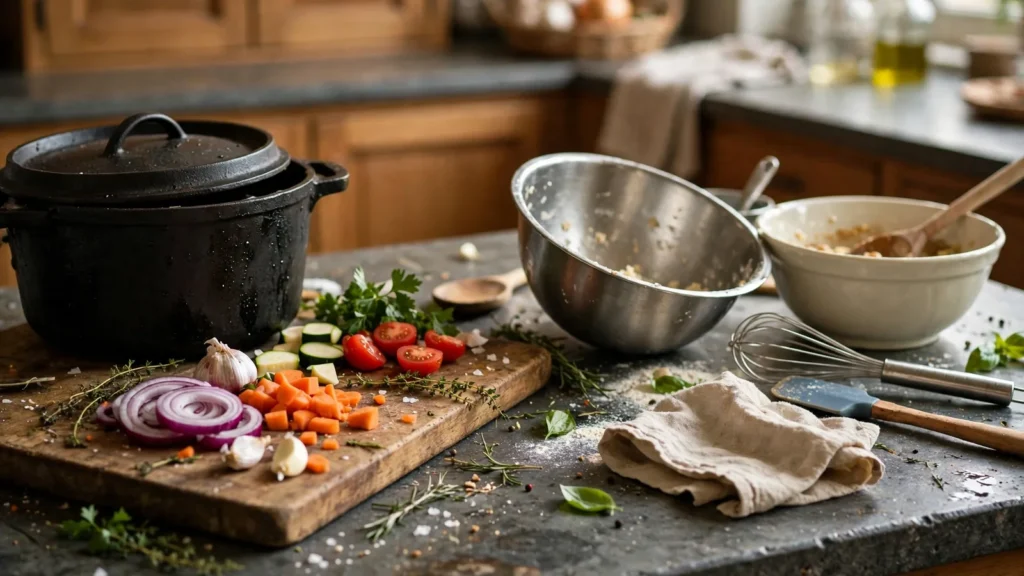
Both materials can handle normal household use when properly installed and maintained. Quartz is durable, but heavy impacts can chip its edges, and excessive heat can damage the resin in the surface.
Quartzite is a hard natural stone that generally handles everyday wear well. However, it can still chip, crack, or suffer damage from severe impacts or poor installation.
Best For
- Quartz: Busy households that want a durable, low-maintenance surface.
- Quartzite: Homeowners who want a hard natural stone for frequent use.
Example 1
A family chooses quartz for a busy kitchen where easy cleanup matters.
Example 2
A homeowner installs quartzite on a kitchen island used for meal preparation every day.
Quick Tip
Use cutting boards and avoid dropping heavy cookware on either countertop. Hard surfaces can still suffer damage.
4. Heat Resistance
Meaning
Quartzite generally handles high temperatures better than engineered quartz. Because quartz countertops contain resin, direct contact with hot cookware can cause discoloration, scorching, or other damage.
Quartzite has better natural heat resistance, but sudden temperature changes can still damage stone. No countertop should be treated as completely immune to heat.
Best For
- Quartz: Kitchens where hot cookware is always placed on trivets.
- Quartzite: Homes where heat resistance is a major consideration.
Example 1
A homeowner uses a heat-resistant trivet before placing a hot saucepan on a quartz countertop.
Example 2
Someone with a quartzite island still uses a protective mat when removing a hot baking dish from the oven.
Quick Tip
Use trivets or heat pads regardless of which material you choose. This simple habit helps protect your investment.
5. Scratch Resistance
Meaning
Both materials resist many everyday scratches, but neither is completely scratch-proof. Quartzite’s hardness makes it a strong option for busy kitchens, while engineered quartz also performs well during ordinary food preparation.
The exact performance depends on the product, its composition, and how you use it.
Best For
- Quartz: Everyday kitchen use with basic protective habits.
- Quartzite: Homeowners who prioritize natural stone hardness.
Example 1
A cook uses a cutting board rather than slicing vegetables directly on quartz.
Example 2
A homeowner protects a quartzite counter from dragging heavy cookware across its surface.
Quick Tip
Never use your countertop as a substitute for a cutting board. Knives can damage the surface, and stone can dull knife blades.
6. Stain Resistance
Meaning
Quartz typically resists everyday stains well because its resin helps create a nonporous surface. However, certain products may still require specific cleaning methods, and prolonged exposure to staining substances should be avoided.
Quartzite can absorb liquids through pores or tiny surface imperfections, depending on the stone. Proper sealing helps reduce this risk but does not make the surface completely stain-proof.
Best For
- Quartz: Households that want simple everyday cleaning.
- Quartzite: Homeowners willing to follow a sealing and cleaning routine.
Example 1
Someone wipes up spilled coffee from a quartz countertop soon after the spill.
Example 2
A homeowner cleans a wine spill from sealed quartzite promptly to reduce the risk of staining.
Quick Tip
Ask your fabricator about the specific slab’s porosity and whether it needs sealing. Natural quartzite can vary in how readily it absorbs liquids.
7. Cleaning and Maintenance
Meaning
Quartz generally requires less maintenance. Regular cleaning with a soft cloth, water, and a suitable mild cleaner is often enough.
Quartzite usually needs periodic resealing, depending on the stone, the sealer, and how heavily the surface is used. Both materials benefit from prompt spill cleanup and gentle cleaning products.
Best For
- Quartz: Busy homeowners who prefer a simple care routine.
- Quartzite: People who appreciate natural stone and do not mind occasional maintenance.
Example 1
A busy parent chooses quartz to reduce the number of countertop care tasks.
Example 2
A homeowner follows the fabricator’s sealing recommendations to maintain a quartzite island.
Quick Tip
Avoid harsh chemicals and abrasive cleaners unless the manufacturer specifically approves them. Always follow the care instructions for your exact product.
8. Cost and Installation
Meaning
Quartz and quartzite prices vary by quality, location, slab selection, thickness, edge design, and installation requirements. Quartzite may cost more when a slab has rare patterns or requires specialized fabrication.
Quartz can also become expensive, particularly for premium designs or large installations. The material price alone does not tell you the full project cost.
Best For
- Quartz: Homeowners seeking a range of design and price options.
- Quartzite: Buyers willing to pay for a specific natural stone appearance.
Example 1
A homeowner compares several quartz colors before choosing a countertop that fits the remodeling budget.
Example 2
A couple requests installation quotes for two quartzite slabs with different patterns.
Quick Tip
Request a complete written estimate covering material, fabrication, edge details, delivery, installation, and any additional fees.
9. Kitchen and Bathroom Applications
Meaning
Both materials work well for many kitchen and bathroom surfaces. Quartz is popular for countertops, bathroom vanities, and other indoor applications because it offers consistent designs and straightforward care.
Quartzite also works well for kitchen islands, bathroom vanities, and selected wall applications. Its natural appearance can add visual interest to both traditional and contemporary spaces.
Best For
- Quartz: Bathrooms and kitchens where easy maintenance matters.
- Quartzite: Spaces where natural stone patterns are a design priority.
Example 1
A homeowner installs light quartz on bathroom vanities for a coordinated appearance.
Example 2
A designer selects quartzite for a kitchen island that complements natural wood cabinets.
Quick Tip
Confirm that the specific product is suitable for your intended application. Outdoor exposure, for example, can introduce additional requirements that vary by material.
10. Long-Term Value
Meaning
Both materials can add visual appeal to a home, but resale value depends on more than the countertop alone. Buyers may appreciate quartz for its clean appearance and low-maintenance qualities.
Quartzite may appeal to buyers who value natural stone and distinctive patterns. Neither material guarantees a higher resale price, so consider your budget and personal preferences first.
Best For
- Quartz: Homeowners who value practical care and consistent design.
- Quartzite: Homeowners who value natural character and stone variation.
Example 1
A homeowner chooses neutral quartz that complements the cabinets and flooring.
Example 2
A homeowner uses quartzite as a statement island in a carefully planned kitchen renovation.
Quick Tip
Choose a material that suits the whole room instead of paying extra solely because you expect a higher resale price.
Comparison Table: Quartz vs. Quartzite
| Alternative | Best Used In | Tone |
| Natural vs. engineered material | Choosing the right product type | Informative |
| Appearance and color options | Planning a kitchen or bathroom design | Visual |
| Durability and everyday use | Busy kitchens | Practical |
| Heat resistance | Cooking areas | Safety-focused |
| Scratch resistance | Food preparation spaces | Functional |
| Stain resistance | Kitchens and bathrooms | Maintenance-focused |
| Cleaning and maintenance | Everyday household care | Practical |
| Cost and installation | Remodeling budgets | Financial |
| Kitchen and bathroom applications | Selecting a surface for a specific room | Design-focused |
| Long-term value | Home renovation planning | Investment-focused |
Common Mistakes When Choosing Quartz or Quartzite
Avoid these five mistakes before making your purchase.
1. Assuming the names mean the same thing. Quartz and quartzite have different compositions and manufacturing processes. Confirm the material before placing an order.
2. Believing quartz is completely heat-proof. Engineered quartz contains resin that can suffer heat damage. Always use trivets for hot pots and pans.
3. Assuming all quartzite is stain-proof. Natural stone can absorb liquids, and sealing needs vary. Ask about the specific slab’s porosity and care requirements.
4. Comparing material prices without installation costs. Fabrication, delivery, cutouts, edges, and labor can significantly change the final price.
5. Choosing from a small sample alone. A sample may not represent the full pattern of a natural quartzite slab. Inspect the actual slab when possible, especially for large islands.
Frequently Asked Questions
1. Is quartz or quartzite better for kitchen countertops?
Quartz is often better for homeowners who want low maintenance, consistent colors, and good everyday stain resistance. Quartzite may be better for those who prefer natural stone patterns and stronger heat resistance. Consider your cooking habits, budget, and willingness to maintain the surface before deciding.
2. Is quartzite more expensive than quartz?
Quartzite can cost more than many quartz options, especially when a slab has rare colors, dramatic veining, or complex fabrication requirements. However, prices vary widely for both materials. Compare complete installation estimates rather than relying on the price per square foot alone.
3. Which is more durable, quartz or quartzite?
Both are durable countertop materials. Quartzite is a hard natural stone, while engineered quartz offers dependable performance for many everyday household tasks. The better choice depends on the type of wear, heat exposure, installation quality, and maintenance the surface receives.
4. Can you put hot pans on quartzite?
Quartzite generally tolerates heat better than engineered quartz, but placing very hot pans directly on it is still not recommended. Sudden temperature changes may damage the stone or affect the surrounding materials. Use trivets or heat pads to reduce the risk of damage.
5. Does quartzite need to be sealed?
Many quartzite countertops benefit from sealing because natural stone can absorb liquids. However, the need and frequency depend on the slab’s porosity and the sealer used. Ask your fabricator whether your specific stone needs sealing and follow the recommended maintenance schedule.
6. Does quartz stain more easily than quartzite?
Engineered quartz generally offers strong resistance to common household stains because its surface is nonporous. Quartzite’s stain resistance varies with its porosity and the quality of its seal. Either material should be cleaned promptly after spills to help prevent discoloration.
7. Can quartz look like natural quartzite?
Yes. Manufacturers can create engineered quartz designs that imitate the veins and colors found in natural quartzite. These products offer a more controlled appearance, although they may not reproduce every natural variation. If you want a specific look, compare full slabs before making a decision.
8. How can you tell quartz and quartzite apart?
The most reliable method is to check the product documentation or ask the supplier to identify the material. Quartz countertops are engineered, while quartzite is natural stone. Appearance alone may not be enough to distinguish them because some engineered quartz designs closely resemble natural stone.
Conclusion
Choosing quartz or quartzite comes down to balancing appearance, performance, maintenance, and cost. Quartz is a practical option for homeowners who want consistent colors, good everyday stain resistance, and a relatively simple care routine. It works well in many busy kitchens and bathrooms, provided you protect it from excessive heat.
Quartzite is worth considering if you prefer natural stone, distinctive patterns, and better heat resistance. However, it may require sealing, and its appearance and maintenance needs can vary from slab to slab.
Before making your final choice, inspect the material, ask about its specific care requirements, and compare complete installation quotes. Think about how you cook, clean, and use your countertops every day.
The best countertop is the one that fits your home and lifestyle. Choose quartz for convenience and consistency, or choose quartzite for natural beauty and heat resistance, while following the care recommendations for your selected surface.